
Haritaki
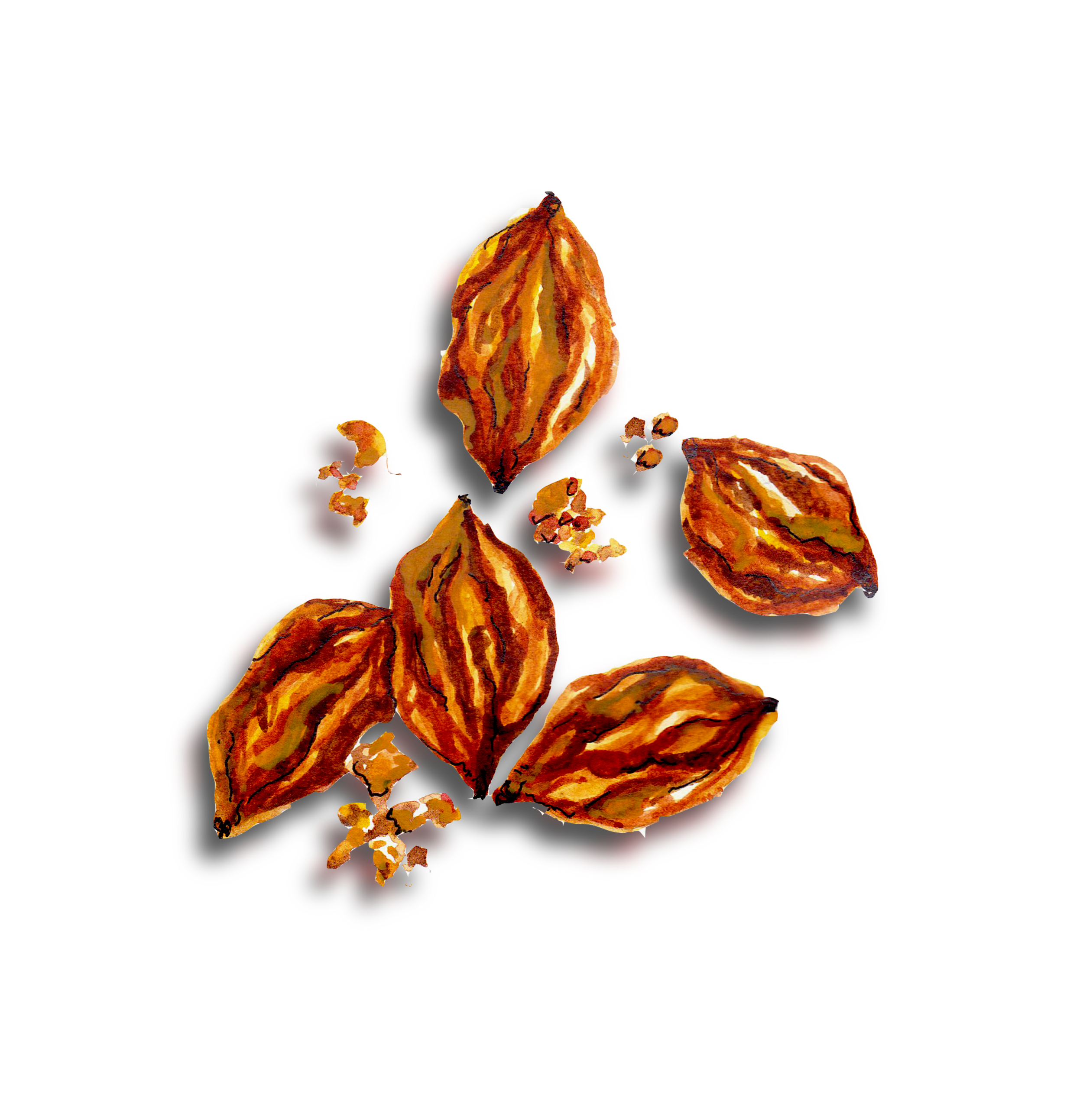
Haritaki is so named because it grows in the abode of Hara (the Himalayas); it is natural green
(harita) in colour and cures (harayet) all diseases.
जीवन्ति पूजिता यस्यां विजायन्ते। रोहिणी भक्त्या समुपासिता हारितकी॥ — Vedas
Therapeutic usage: This is known as the king of herbs for its high medicinal properties.
Haritaki, known as the King of Herbs in Ayurveda, grows in the Himalayan region and has been valued for centuries.
Traditionally used for its healing and cleansing properties, it supports balance and overall well being.
In natural dyeing, Haritaki produces soft earthy tones and also works as a natural mordant.
It reflects a deep connection between nature, wellness, and sustainable traditions.
Turmeric
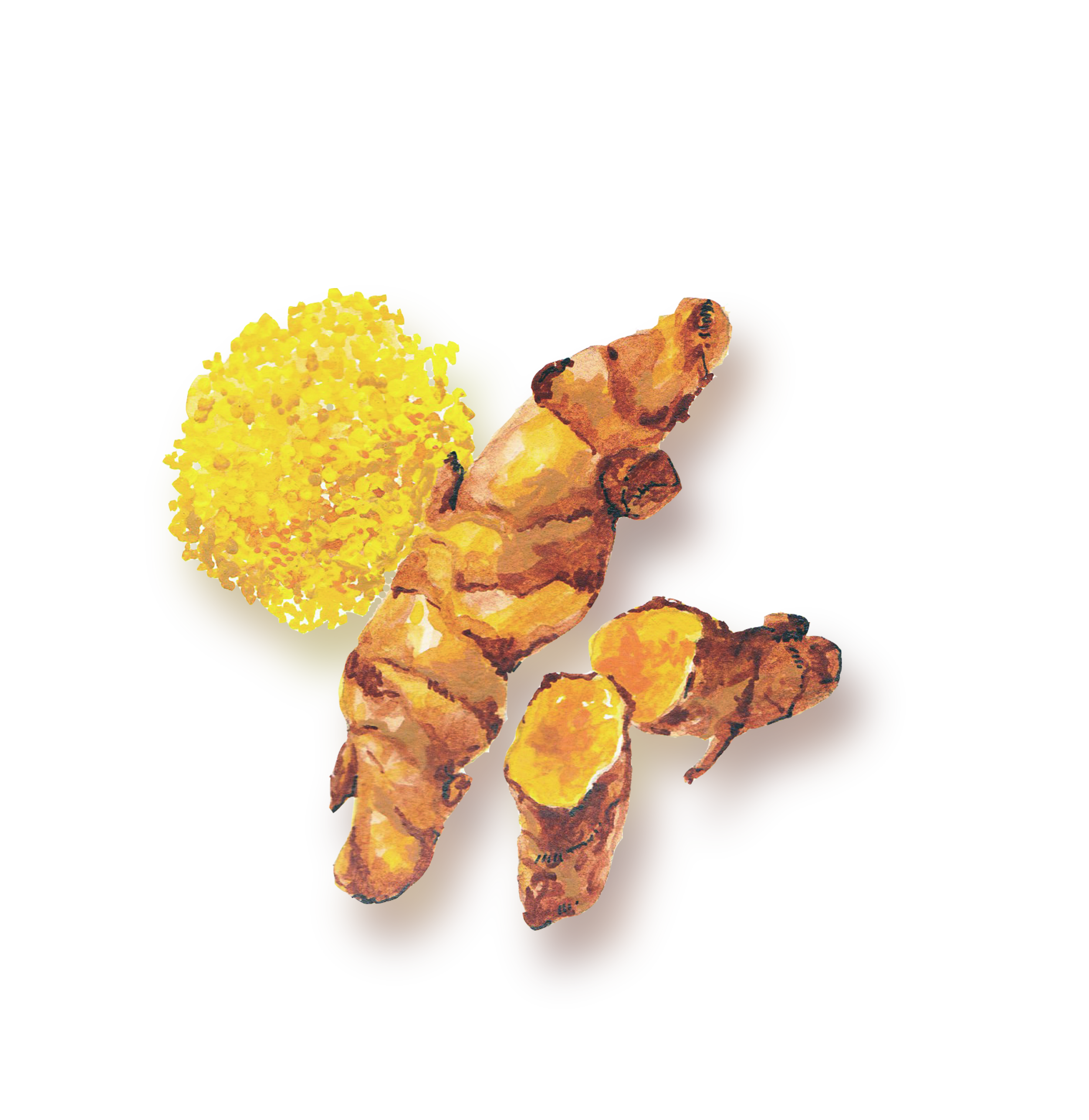
Turmeric belongs to the same family as ginger. Sometimes known as “Indian saffron”, it is the source of the familiar yellow colour of many Asian curry dishes. Both the culinary spice and the dye are obtained from its root. Turmeric was and is still used for textile painting and printing in India.
वर्ण्यं कषायतिक्तोष्णं पीतकं रक्तपित्तनुत्। कण्डूकुष्ठविषं श्लेष्मपाण्डुं कफकृतं हरेत्॥ — Vedas
Therapeutic usage: Cures tvagdosa (skin diseases), meha (obstinate urinary disorders
including diabetes), asra (vitiation of blood), sopha (edema), pandu (anemia) and vrana (ulcer).
Turmeric, also called Indian saffron, has been used in India for centuries as a spice, medicine, and natural dye. Derived from its root, it produces a bright, warm yellow widely used in traditional textiles. Historically used in textile painting and printing, turmeric carries both cultural and healing significance. It stands as a symbol of purity, protection, and natural colour.
Indigo
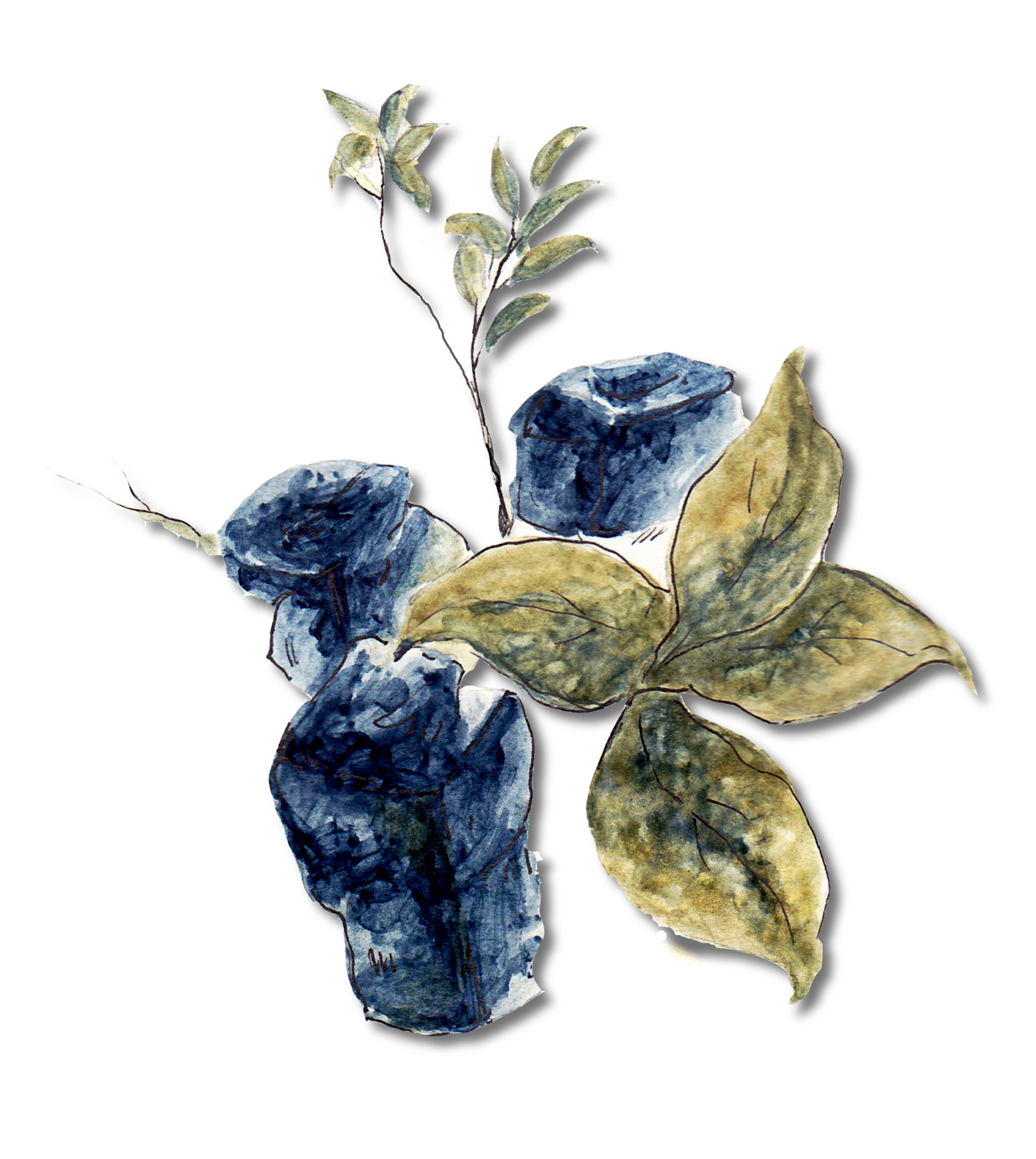
Indigo's ability to produce an extensive range of beautiful blue shades has made it the most successful dye plant ever known. The commercially available indigo powder is made from the leaves of Indigofera tinctoria, which requires hot, sunny, and humid growing conditions to flourish.
नीलिनी रसेनिका कषाया मोहशामिका। उष्णा हन्त्युदरप्लीहानिलारक्तविकारान्॥ — Vedas
Therapeutic usage: Cures moha (unconsciousness), bhrama (giddiness), udara (obstinate abdominal diseases including ascites), plihan (spleen disorder).
Indigo is one of the oldest and most valued natural dye plants, known for its deep and lasting blue shades. Derived from the leaves of Indigofera tinctoria, it has been used for centuries across cultures. Its wide range of blues made it the most successful dye plant in history. Indigo represents depth, tradition, and the timeless beauty of natural colour.
Madder
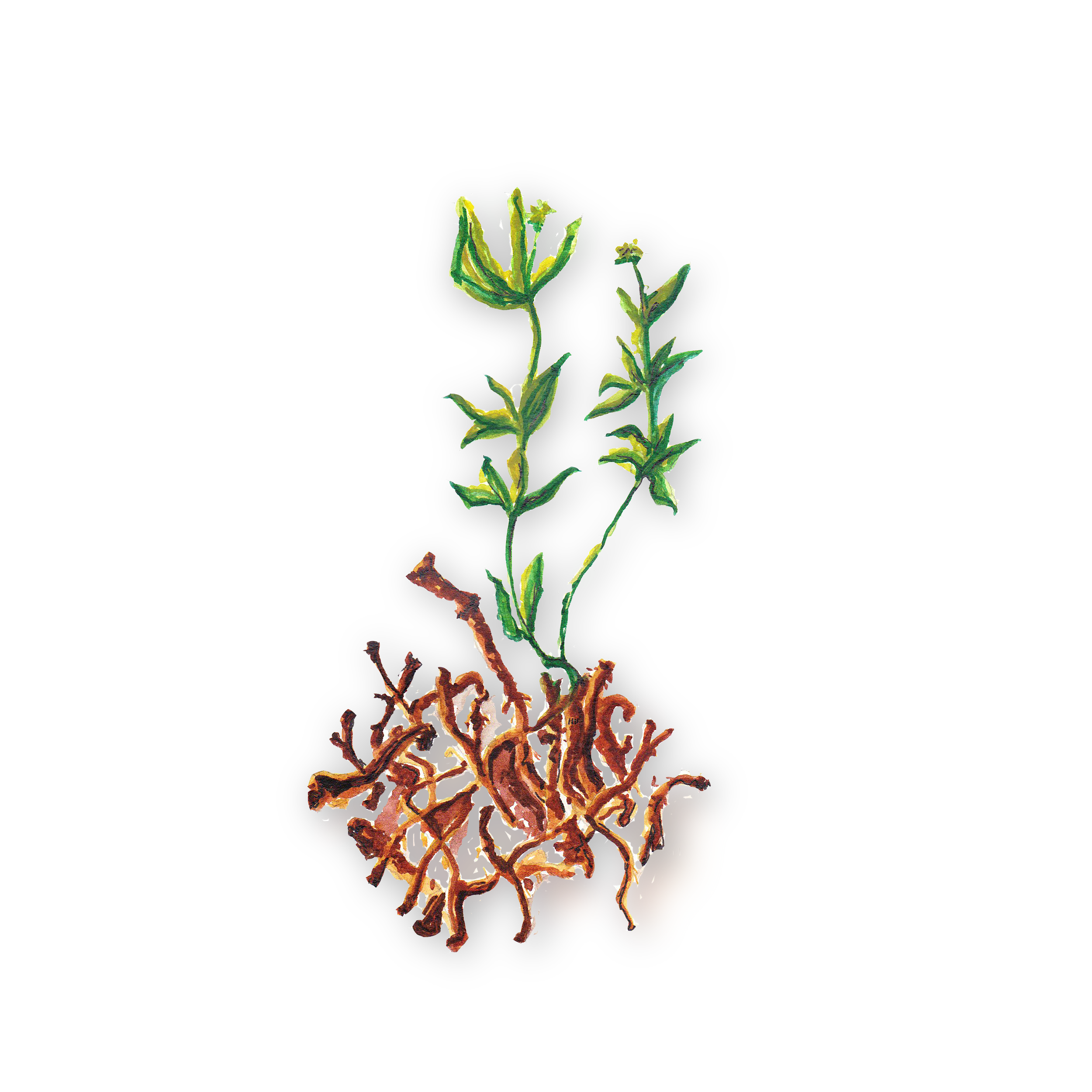
Madder’s leafy tops sprawl untidily over the ground and their clusters of tiny yellow flowers look insignificant. Yet to the dyer, madder is a miracle of nature because its roots contain alizarin, one of the most valuable red dye pigments ever known.
रक्तातिसारकुष्ठासृग्दोषशोथविनाशनम्। तृष्णादाहप्रशमनं मञ्जिष्ठां प्रचक्षते॥ — Vedas
Therapeutic usage: Cures visa (poisoning), sopha (edema), yoni sula (pain in female genital organ), aksi sula (pain in the eyes), raktatisara (diarrhea associated with bleeding), kustha (obstinate skin diseases including leprosy), vitiation of blood, visarpa (erysipelas), vrana (ulcer) and meha (obstinate urinary diseases including diabetes).
Madder is one of the most important red dye plants in natural dyeing traditions. Though the plant appears modest, its roots contain alizarin, a powerful red pigment. Used for centuries, madder produces rich reds ranging from soft pinks to deep maroons. It stands for depth, endurance, and the strength of natural colour.
Pomegranate
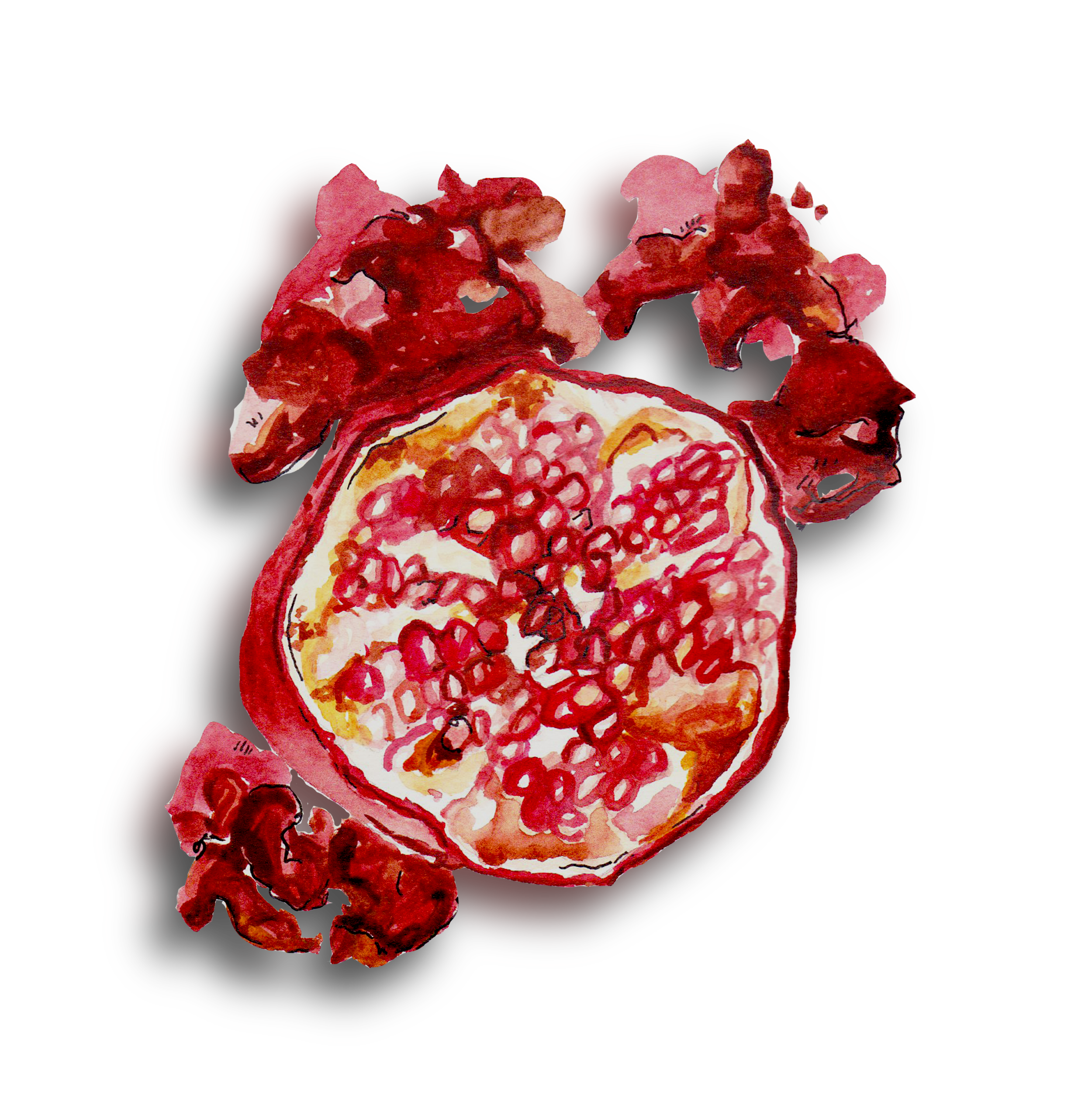
The succulent pomegranate fruit yields an ocheryellow dye and the skin is rich in tannin, which improves colourfastness. The pomegranate dye lacks brilliance, soit is often mixed with turmeric root to make the colour brighter. In India and Southeast Asia, it is used as both a mordant and a dye.
कषायगुणयुक्तं च विशेषात् स्वादुमम्बुजम्। हृद्यं स्वादु विविधानां द्रव्याणां वर्धनं स्मृतम्॥ — Vedas
Specific action: Hrdya (cardiac tonic), rocana (appetiser) and constitutive.
Pomegranate rind is traditionally used to produce soft ocher-yellow shades in natural dyeing.
Rich in tannins, it improves colour fastness and durability on fabric. Often blended with turmeric, it enhances brightness and warmth.
Pomegranate reflects balance, strength, and long-lasting natural colour.
Onion
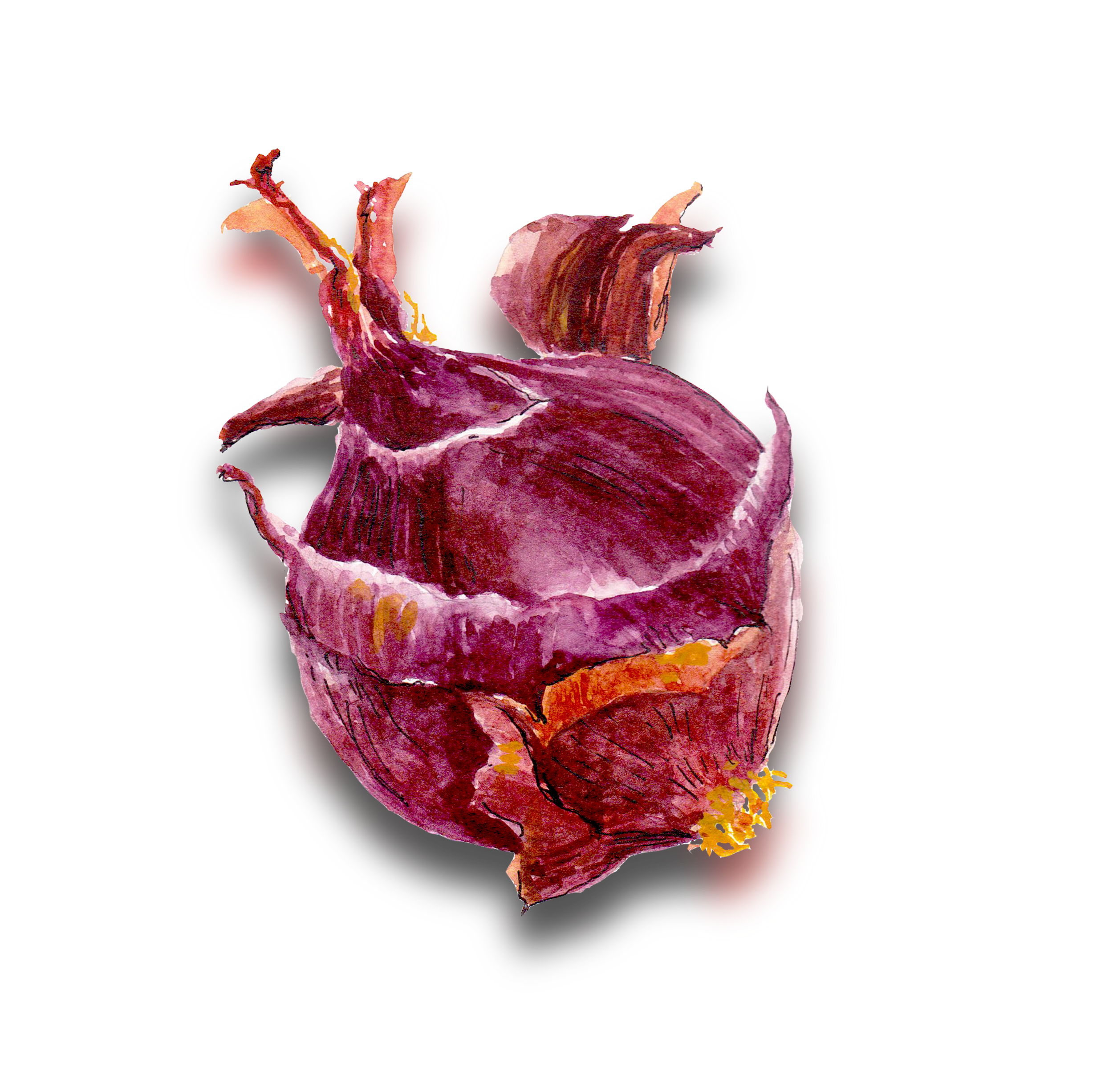
The outer skin of this common onion vegetable is one of the most useful and readily available dyestuffs. It is ideal for a novice dyer’s first experiments since it reliably produces rich, vibrant shades of orange, yellow, rust, and brown on all fibres, and does not impart any odour to the dyed materials.
पलाण्डुस्त्वग्गुणैर्युक्तः कफकृच्छ्रनिवारणः। अग्निदीपनः केदकदोषघ्नः स्मृतः॥ — Vedas
Therapeutic usage: Cures svasa (dyspnoea), kasa (cough), gulma (phantom tumour), jvara (fever), aruci (anorexia), sotha (edema), arsas (piles), kustha (obstinate skin diseases including leprosy), sula (colic pain) and krimi (parasitic infestation).
Onion skin is a simple yet powerful natural dyestuff used across traditional dyeing practices. It produces warm shades of yellow, orange, rust, and brown on all fibers. Easy to use and widely available, it is perfect for beginners in natural dyeing. Onion skin represents everyday materials transformed into lasting colour.
Flame of Forest / Butea Monosperma
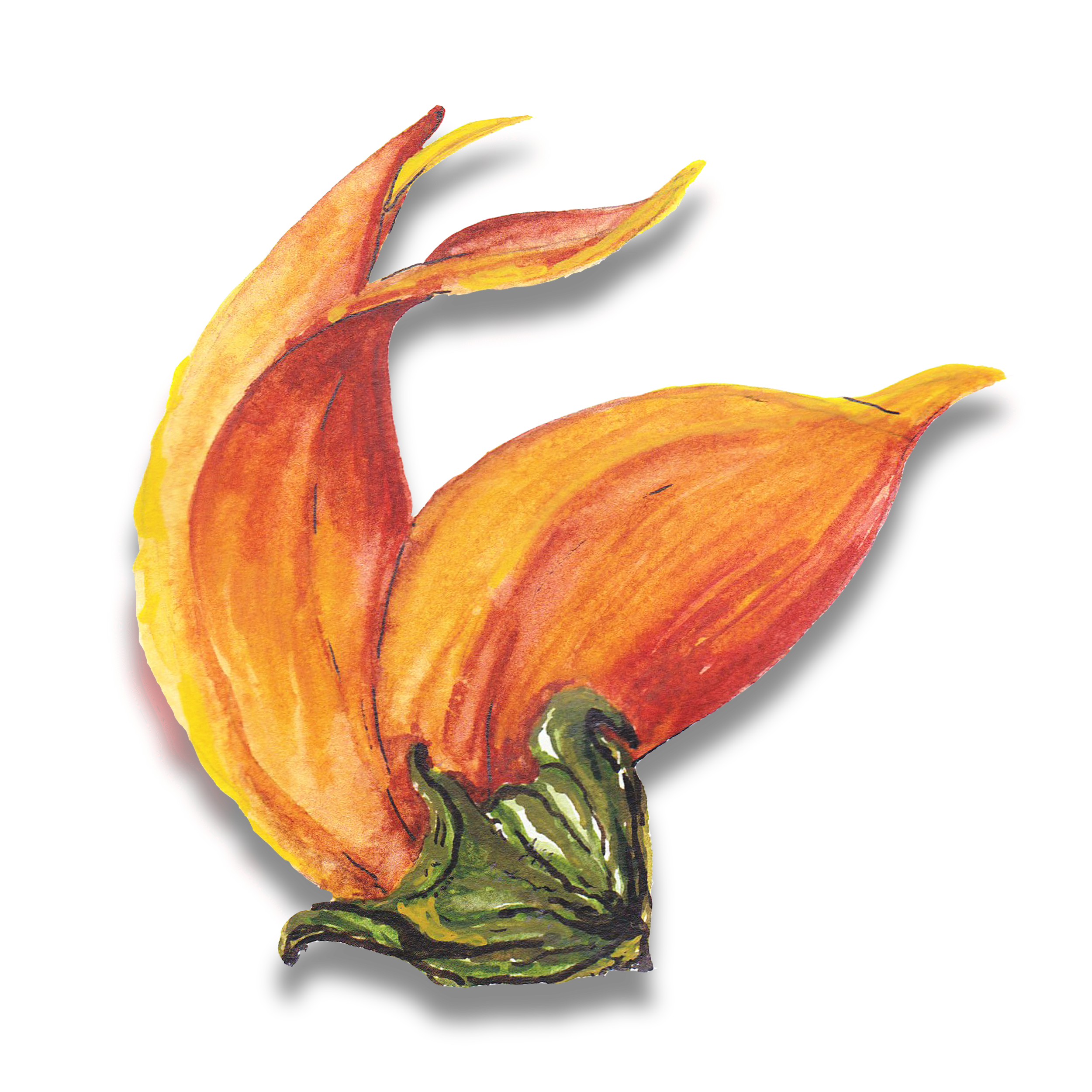
Found in tropical and subtropical regions, this vibrant flower has been used for generations to produce organic colors, especially for traditional Holi. The dye is extracted by boiling or grinding the dry flowers. Naturally derived and gentle, it is a safe and skin-friendly alternative to synthetic dyes.
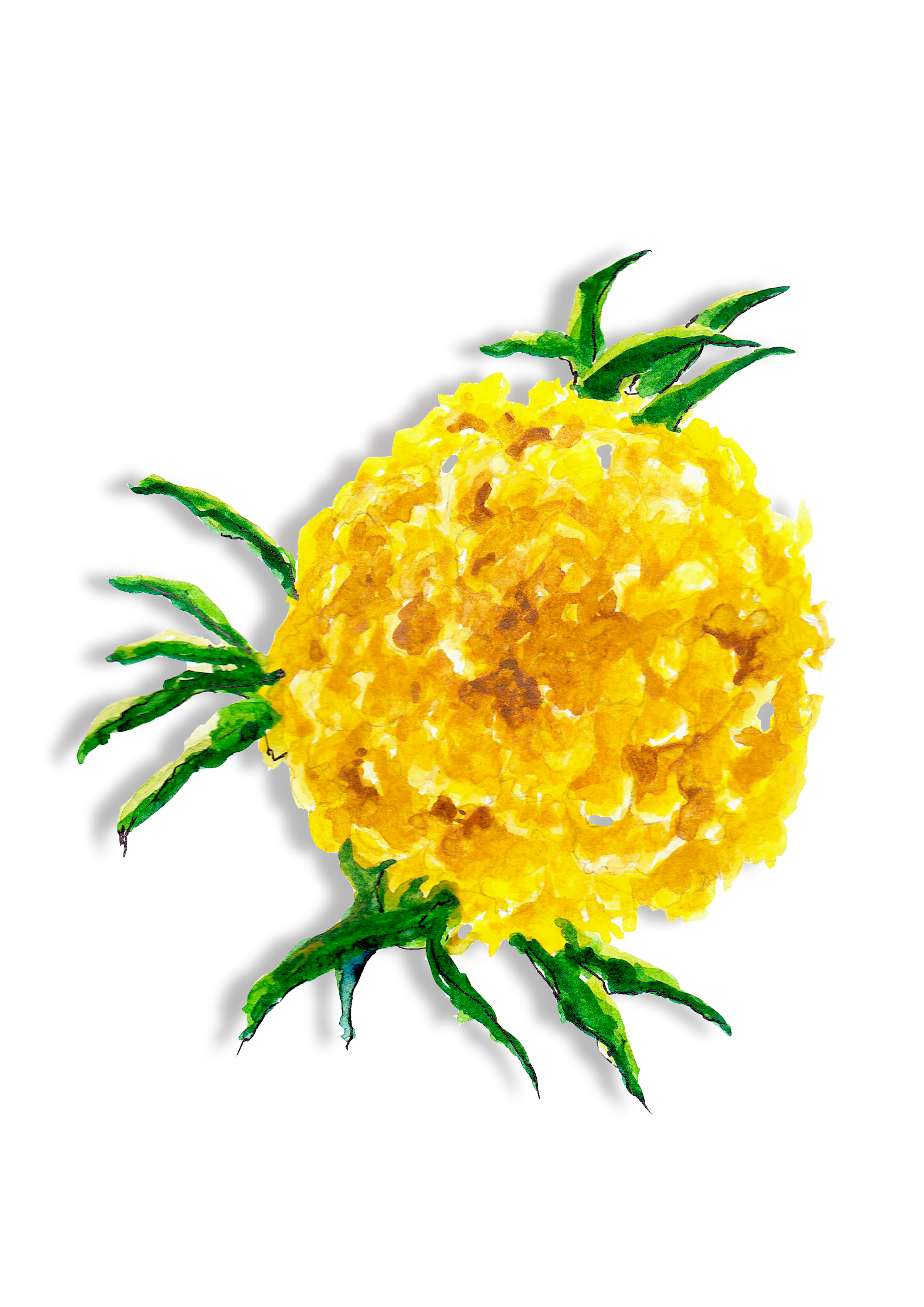
Marigold / Tagetes
These bright yellow flowers produce golden tones on fabric. Known to deter insects and possessing mild antimicrobial properties, marigold-based dyes are perfect for everyday wear that’s both beautiful and kind to the skin.
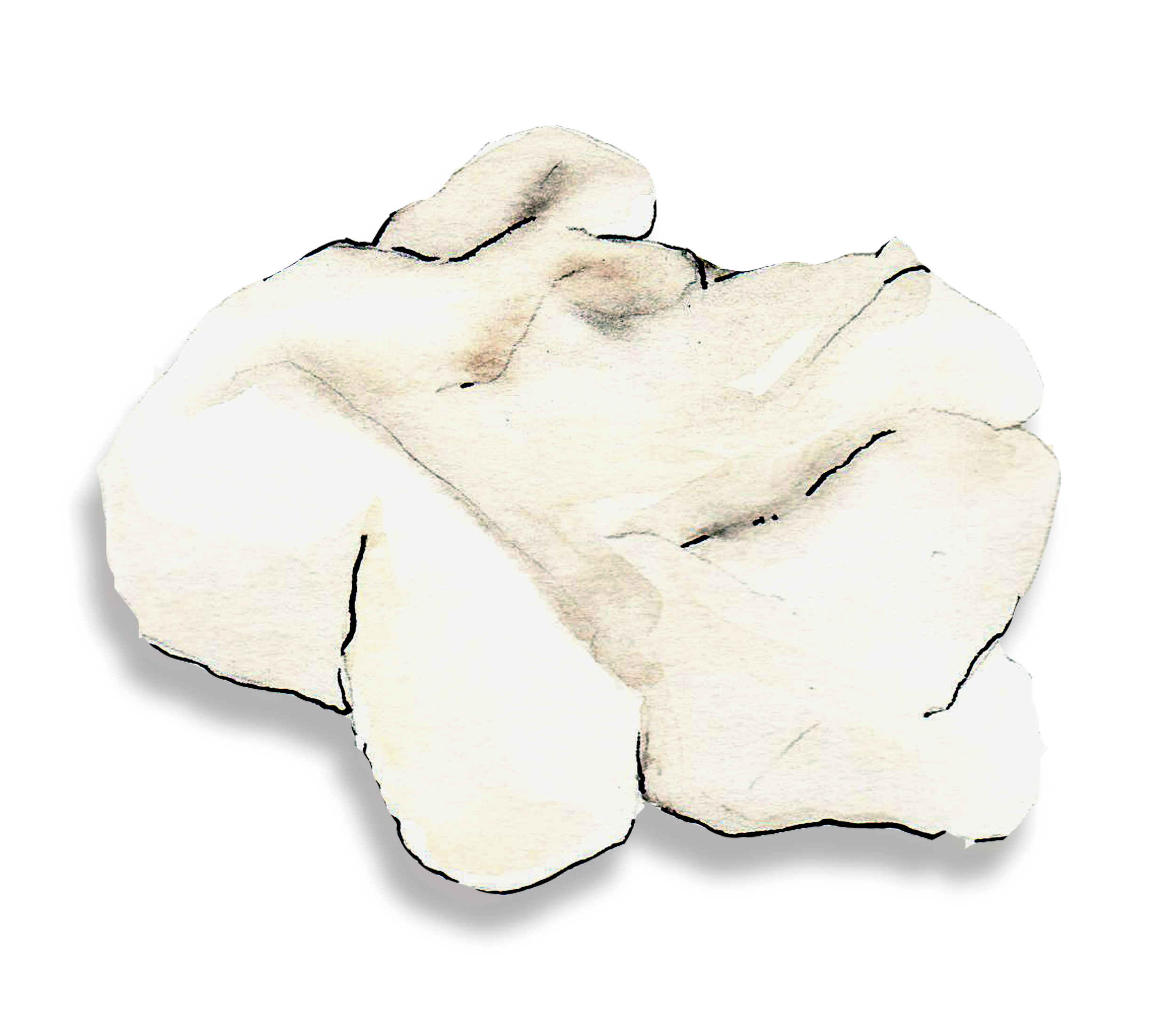
Alum / Potassium Alum
A natural mordant essential to natural dyeing, alum helps fix the dye onto fabric and improve color fastness. Safe for skin contact, it’s been used in herbal dyeing for generations and also helps purify and cleanse the fabric during the process.
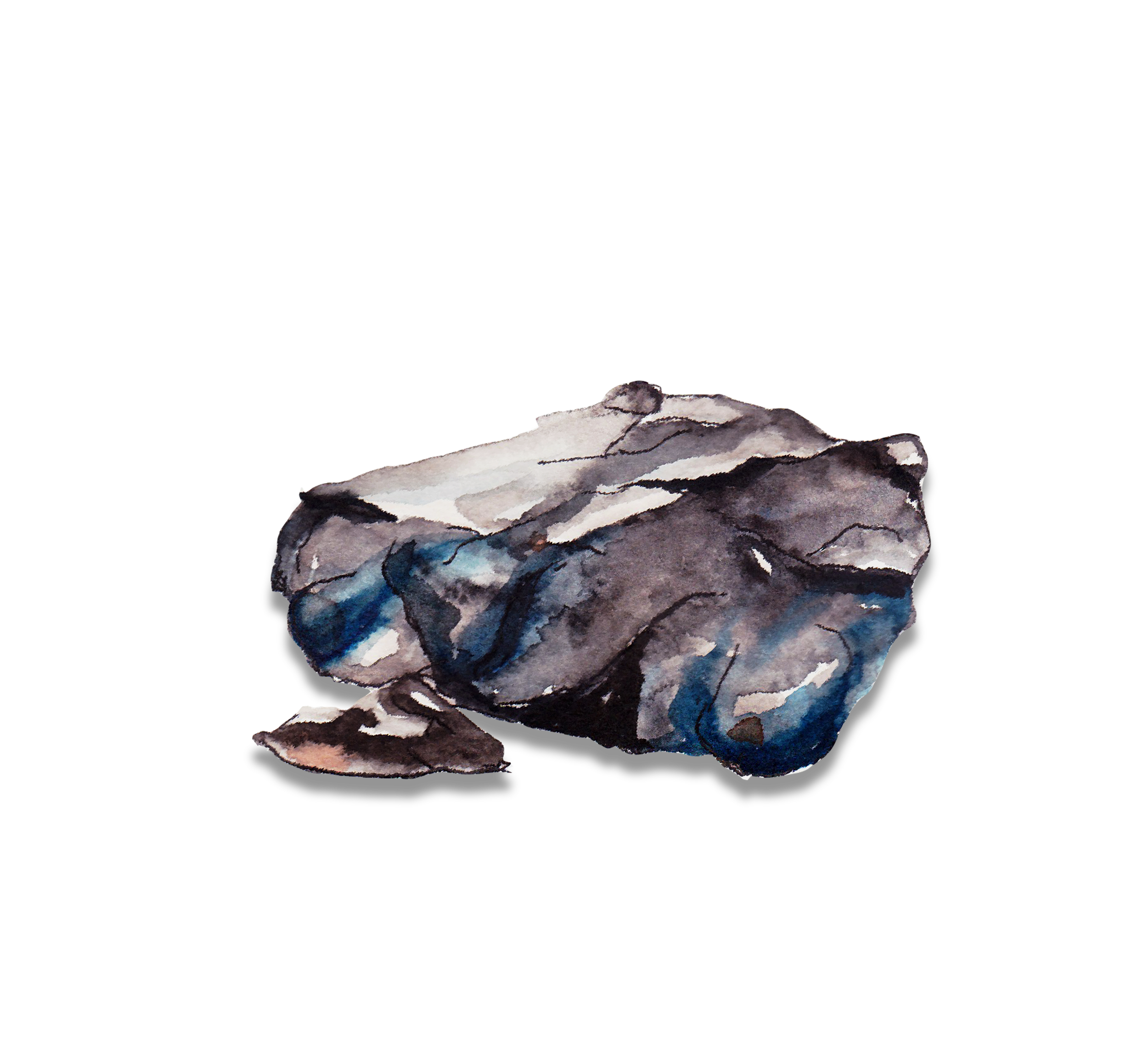
Iron / Ferrum
Used to darken and deepen shades like grey, olive and black, iron is a traditional mordant in natural dyeing. Prepared with rusted iron and natural catalysts like vinegar, it contributes to subtle, moody tones on textiles while remaining skin-safe when properly processed.
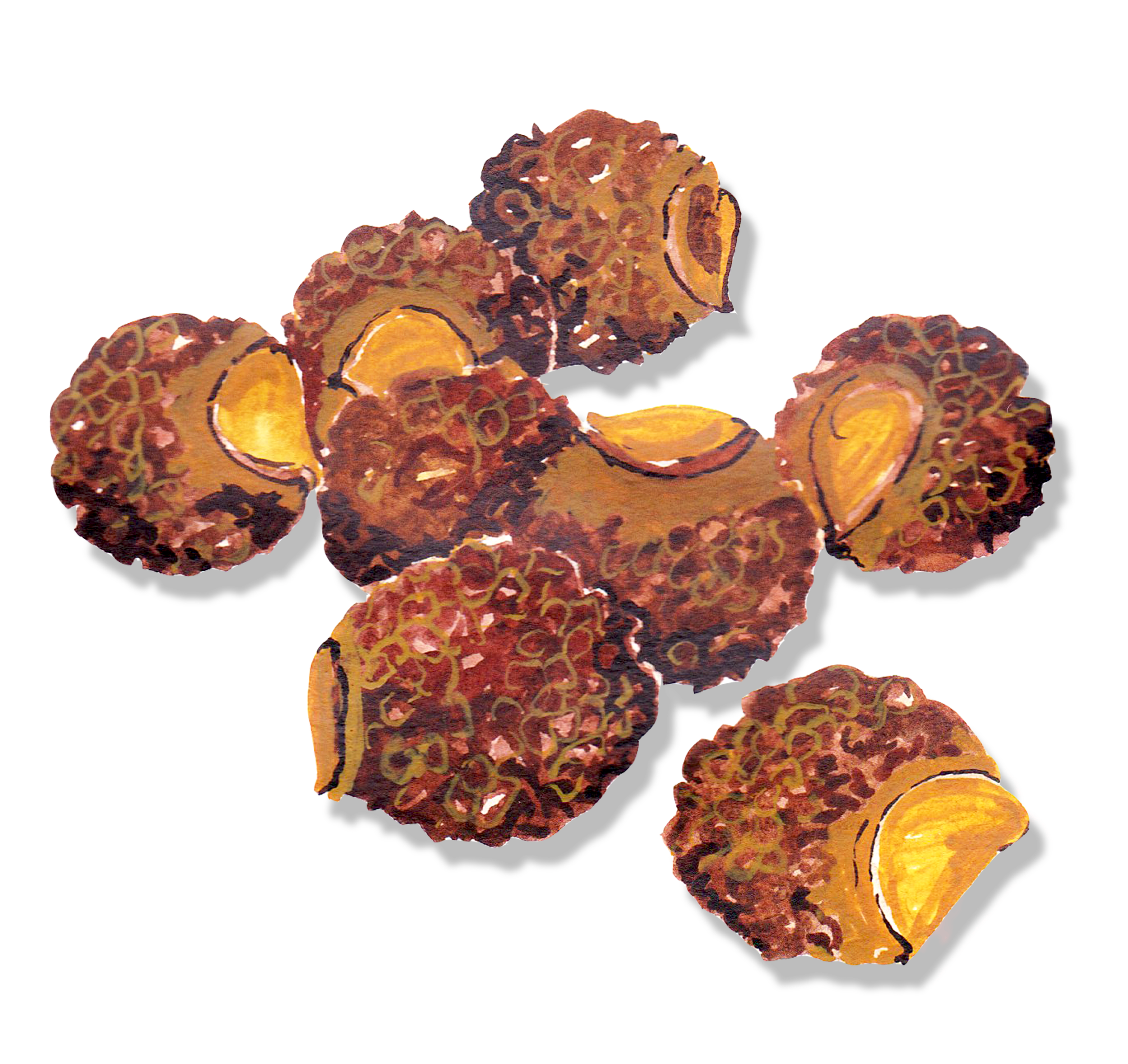
Soap Nut / Sapindus Detergens
Used traditionally as a natural cleanser, soap nuts are now also used in dyeing to prepare fabric and improve softness. Their saponin content makes them a natural fabric conditioner, leaving clothes soft and safe for sensitive skin.
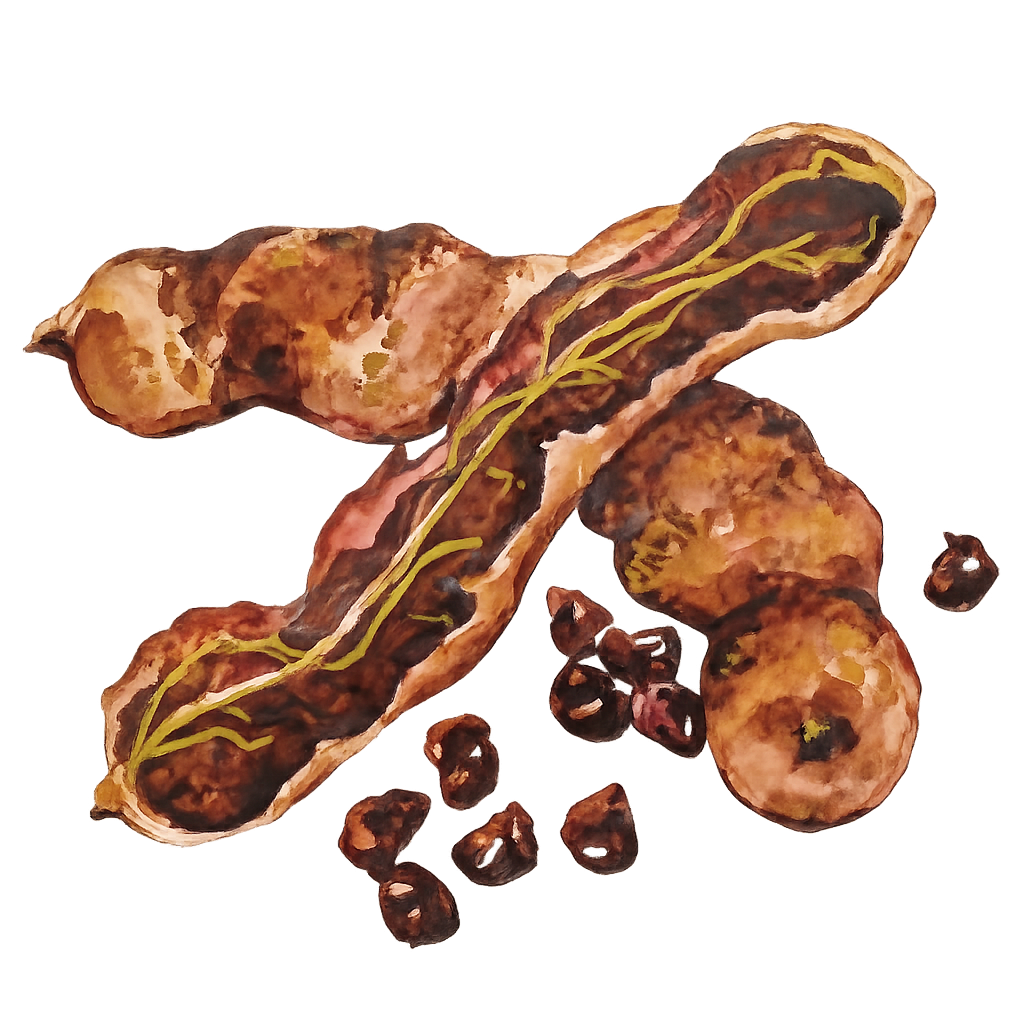
Tamarind / Tamarindus Indica
Rich in natural acids, tamarind aids in the extraction of iron for preparing dark-toned mordants. Its seeds and bark yield deep browns and greys, enhancing dye absorption while being gentle on the skin – a valuable addition to natural dyeing traditions.